 standalone
 China May Restrict AI Model Exports: What It Means for Developers
China is reportedly planning export curbs on top AI models from Alibaba, ByteDance, and Z.ai — here's what that means for teams building on cheap Chinese open-source LLMs.
TL;DR
China is reportedly considering restricting foreign access to its most capable AI models. If it happens, developers and companies outside China who’ve been building on affordable Chinese open-source models may need to rethink their stack.
What happened
Reuters is reporting that Chinese authorities are exploring controls on the export of the country’s top AI models. The companies named in the reporting are Alibaba, ByteDance, and Z.ai — all of which have released models that developers outside China actively use. No final policy has been announced, and the framing from sources is that authorities are “looking into” restrictions rather than having finalized anything.
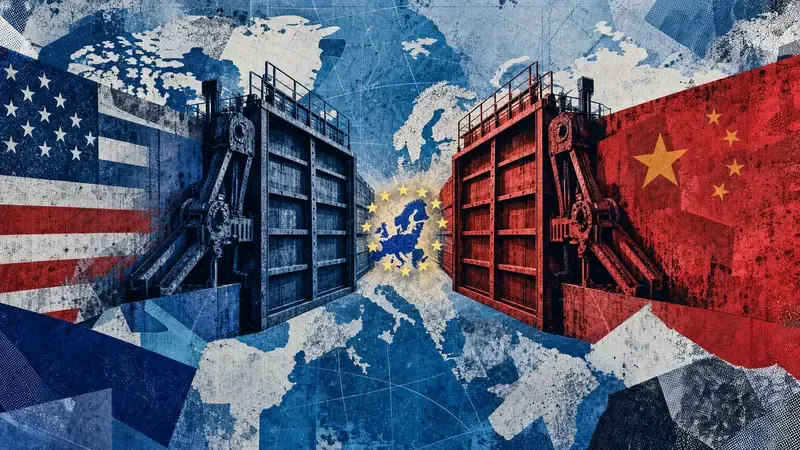
The move would mirror what the US has already done with chip export controls and, more recently, with restrictions around certain model weights and APIs. In effect, both major AI superpowers would now be formally treating frontier AI models as strategic assets subject to government gatekeeping — not just commercial products.
Why it matters
For a lot of development teams, especially in Europe, cheap and capable Chinese open-source models have been a genuinely useful alternative to paying OpenAI or Anthropic rates. Models from Alibaba’s Qwen family and others have punched well above their weight on benchmarks and come with permissive enough licenses to deploy in production. That calculus changes fast if export restrictions kick in — not just for API access, but potentially for downloading weights at all.
The European angle here is real. European teams that leaned on Chinese models partly to avoid US cloud dependency would find themselves squeezed from both sides. The sourcing problem that many assumed they had years to solve could arrive much sooner. For individual developers, the near-term practical question is: if you’re building something today that depends on a model from one of these Chinese labs, how exposed are you if access gets cut? Open weights you’ve already downloaded might be fine. A running API dependency is a different story.
What to watch
- Watch for any formal regulatory text or official statements from Chinese authorities — Reuters sourcing at the “looking into” stage can move slowly to actual policy, or not at all.
- If Qwen, Doubao, or other Chinese model APIs start adding geographic restrictions on sign-ups or usage, that’s an early signal that something is actually moving.